How Your Horse’s Digestive System Works

How your horse's digestive system works

A horse’s digestive system depends on a delicate balance of rhythm and care to function at its best. And as a horse owner, you play a central role in keeping that system running smoothly. Every feeding decision you make shapes how well their body functions, how they feel day-to-day and even how long they thrive. Understanding the equine digestion process gives you the insight you need to make those decisions with confidence. And the right guidance can make all the difference. 

So, let’s break it down together. In this article, we’ll answer key questions about how the horse digestive system works, plus give you easy tips so you can start supporting your horse’s gut health today.

Find feeds that support your horse’s digestive health.

How do horses digest food?

Horses evolved as foragers, meaning their systems are built to process small amounts of food almost constantly, which is why they are continuous grazers. While highly functional, the horse digestive system is also surprisingly sensitive. Travel, training, changes in routine and even social stress can impact the equine digestion process. Here we break down how horses digest food step by step as well as address some of the more common problems that can occur during the digestive process.

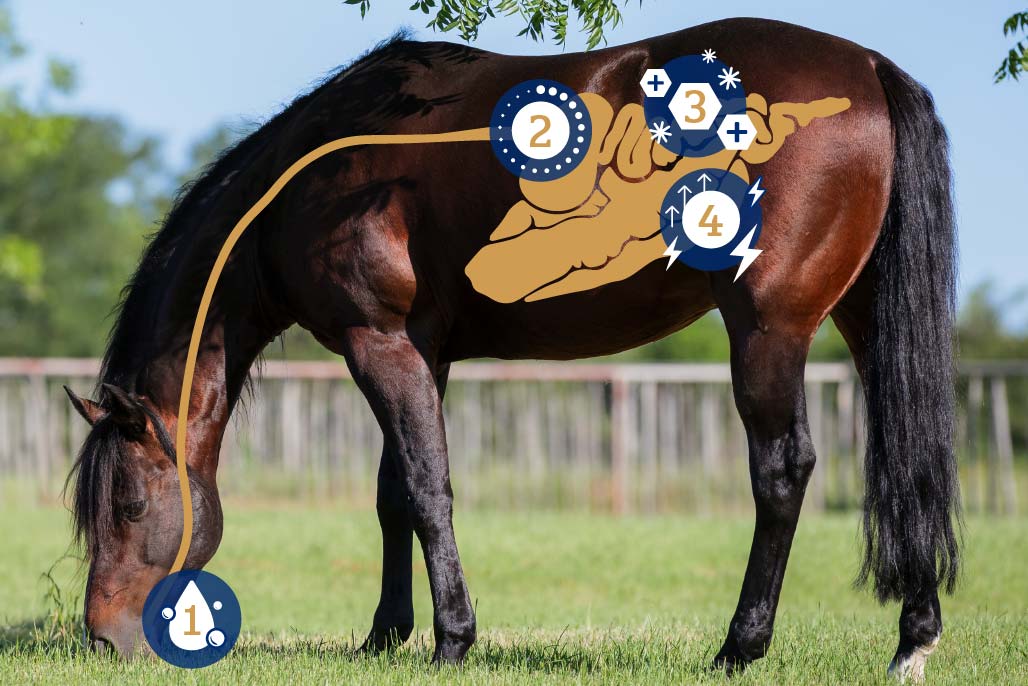
  1. The mouth: where it all begins


    Digestion starts the moment your horse takes a bite. Their teeth grind food into smaller particles while saliva begins breaking it down. Horses produce a significant amount of saliva but only while chewing, so more chewing ultimately leads to better digestion.

  2. The stomach: small but mighty

    Some animals have multiple stomachs to manage the digestive process, but horses only have one, and it’s surprisingly small (about 2–4 gallons). As a result, food doesn’t stay in the stomach very long (often less than an hour). And because their system is uniquely designed to continuously produce stomach acid, horse gut health depends on many small, frequent meals vs. a few large meals throughout the day. Long gaps between meals mean there’s nothing to buffer that acid, which can lead to excess acid and discomfort or gastric ulcers.

  3. The small intestine: nutrient absorption central

    From the stomach, food moves into the small intestine, where enzymes break down proteins, fats and non-structural carbohydrates (like sugars and starches) so key nutrients can be absorbed into the bloodstream. If a large or high-carb meal moves through a horse’s digestive system too quickly, the enzymes can’t keep up, which means fewer nutrients are absorbed. An overwhelmed system can also cause partially digested food to spill into the hind gut.

  4. The hind gut: the true powerhouse

    The hind gut is essentially a big fermentation chamber. As the largest and most important part of the horse digestive system, the hind gut relies on a stable population of microbes that break down fiber from feed and forage and produce volatile fatty acids (VFAs). VFAs are a major horse energy source. Sudden changes in diet, especially increases in grain, can disrupt this delicate microbe balance, leading to energy spikes and crashes as well as a wide variety of issues, like colic, leaky gut and laminitis.

What role does forage play in the equine digestive process?

If there’s one thing that’s non-negotiable when it comes to supporting a healthy horse digestive system, it’s forage (hay and pasture). When you use a forage-first approach, you’re also laying the groundwork for your horse’s gut health. Here’s why:

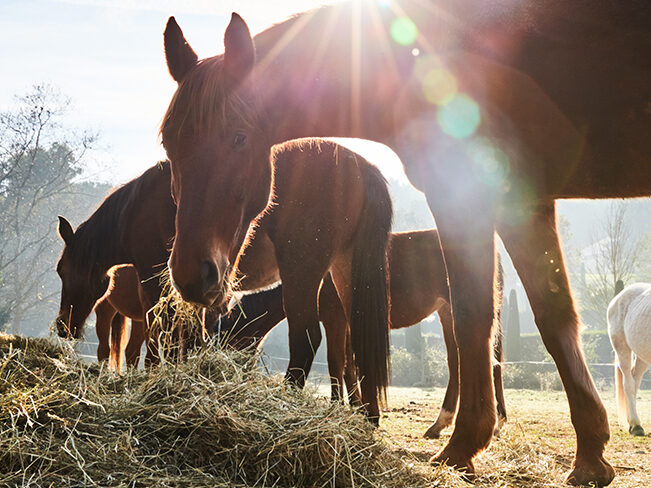
  • Horses are meant to eat 16–18 hours a day. Forage supports natural grazing and keeps their system moving without overwhelming it.
  • Chewing forage increases saliva production, which helps neutralize acid and protect the stomach lining.
  • Fiber in forage is the primary fuel for the hind gut microbiome, which feeds the beneficial microbes in the hind gut.
  • Unlike grains, forage provides slow, consistent energy without spikes and crashes.

How can horse digestion be improved?

Here’s the good news: supporting your horse’s digestion doesn’t require guesswork. Small, intentional changes can make a big impact. Here are seven simple things you can do to ensure your horse’s digestive system keeps working the way it was intended to.

  1. Prioritize forage (always)

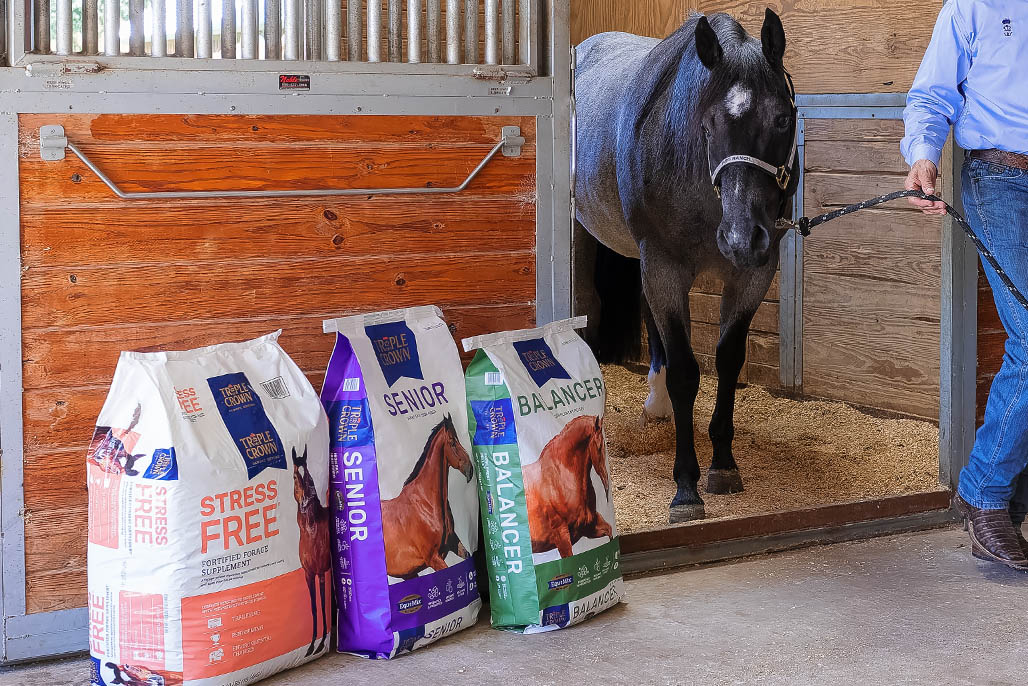
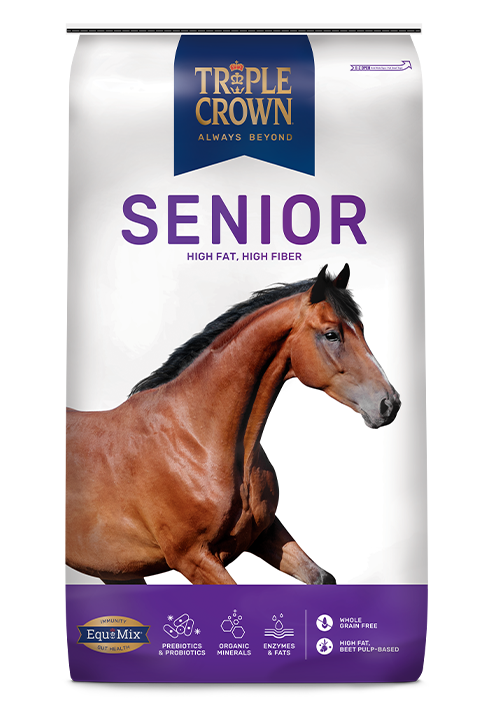
    Aim to provide constant access to fresh, high-quality fiber sources like hay or pasture whenever possible. If that’s not feasible, use slow feeders to extend eating time. Or if your horse struggles to chew traditional forage products, they can benefit from a high-fiber feed such as Triple Crown Senior.

  2. Feed smaller, more frequent meals

    When you’re feeding concentrates, or feeds that are higher in energy and lower in fiber, divide them into multiple smaller meals throughout the day. This provides gastric buffering and helps the horse digestive system process nutrients more efficiently.

  3. Make changes gradually

    Any shift in diet, like new hay, feed or supplements, should be introduced over 7–10 days. This allows the hind gut microbes to adapt without disruption.

  4. Balance diet thoughtfully

    Not all horses need the same feeding program. Age, workload, metabolism and health status all play a role. A well-formulated, nutrient-balanced feed like Triple Crown can help fill nutritional gaps without overwhelming the horse digestive system.

  5. Support the microbiome

    Prebiotics, probiotics and yeast cultures (ingredients found in Triple Crown) can help maintain microbial balance and horse gut health, especially during times of stress or transition. They promote efficient fiber digestion so your horse can get the most from every meal.

  6. Keep water intake high

    Second to forage, hydration plays a key role in proper horse digestion. Always make fresh, clean water available and monitor intake, especially in colder months when horses tend to drink less. Also, keep an eye out for hard manure, which can indicate a lack of water and decreased gut mobility.

  7. Minimize stress where possible

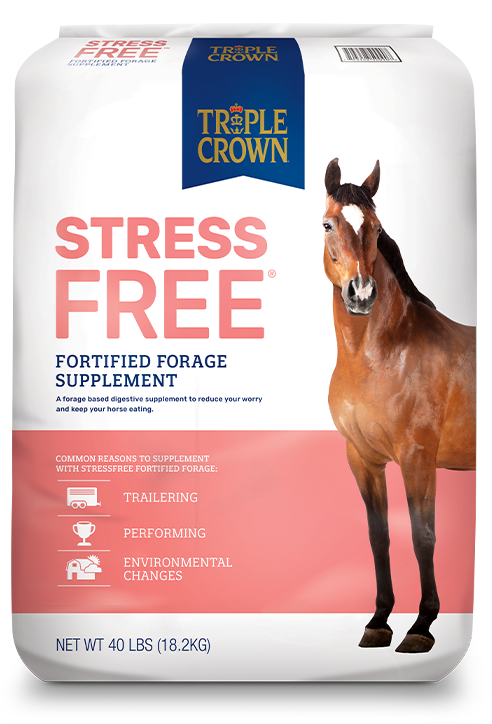
    Regular routines go a long way in supporting the equine digestion process. Aim to keep feeding times, forage access and daily schedules as consistent as possible to help your horse’s digestive system function at its best. When you can anticipate times of potential stress for your horse, prepare their gut by feeding a product like Stress Free Fortified Forage.

In conclusion

When you understand the horse digestive system, feeding becomes more than a daily task—it becomes a powerful way to care for your horse. The type of forage or feed you choose helps shape their comfort, their energy and their longevity.

While it can feel like a lot to manage, you don’t have to figure it all out on your own. You can depend on Triple Crown to be your nutrition partner and guide. We’re here to help you make informed decisions that support both you and your horse. Because at the end of the day, we understand that feeding your horse is about nurturing your relationship, one meal and one thoughtful choice at a time.

Questions about your horse’s feeding program? See how we can help. Talk to a Triple Crown Feed Expert today.