Colic is one of the most common health issues affecting horses. It can also be one of the most serious. While colic can present itself as mild gas, it can be far more severe – with intestinal twists, ruptures and severe pain. The good news is, prevention is possible.
Diet plays a major role in digestive health and is key to reducing gastrointestinal problems. Keep reading to learn what causes colic, how nutrition is key to preventing it, and feeding tips to help you reduce colic risk for your horse.
What is colic and what are the signs?
Colic is a general term to describe abdominal pain and can range from mild discomfort to life-threatening intestinal problems. While colic can have other causes, diet plays a major role. Horses have sensitive digestive systems, and even small changes in nutrition or feeding routines can trigger digestive upset.
What to look for:
- Pawing at the ground
- Rolling or lying down repeatedly
- Loss of appetite
- Looking at the flank
- Sweating or restlessness
- Reduced manure production
If you suspect colic in your horse, contact your veterinarian right away. Severity ranges significantly, but the line between mild and emergency colic can change quickly. Early vet involvement will give you the best outcomes.
What causes colic in horses?
Feeding practices, hydration, forage intake and sudden changes in routines all affect your horse’s digestive system and can cause colic.
How can I prevent colic in my horse?
Practice prevention
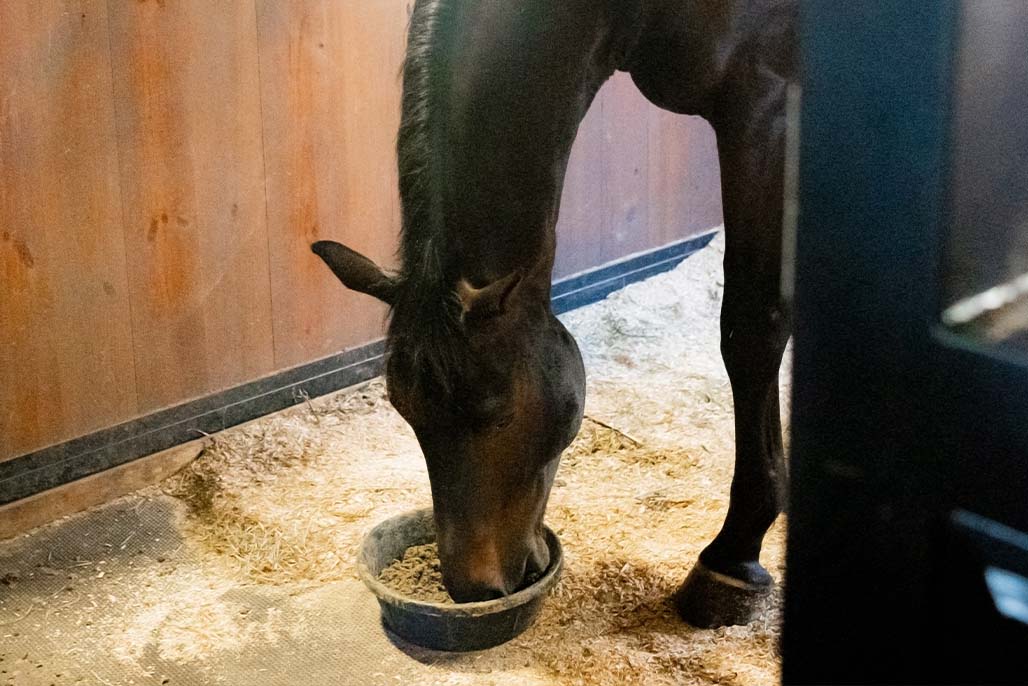
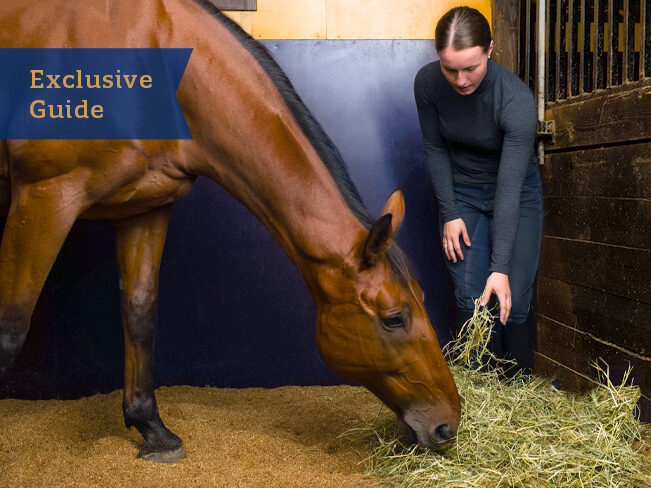
Yes, you can help prevent colic in your horse – adopt a smart feeding strategy that prioritizes forage, hydration and consistency. The goal is to avoid anything that can upset your horse’s digestive tract. These steps go a long way toward reducing the risk of colic and maintaining good digestive health long term.
What else can I do to reduce colic risk?
Ensure feed quality
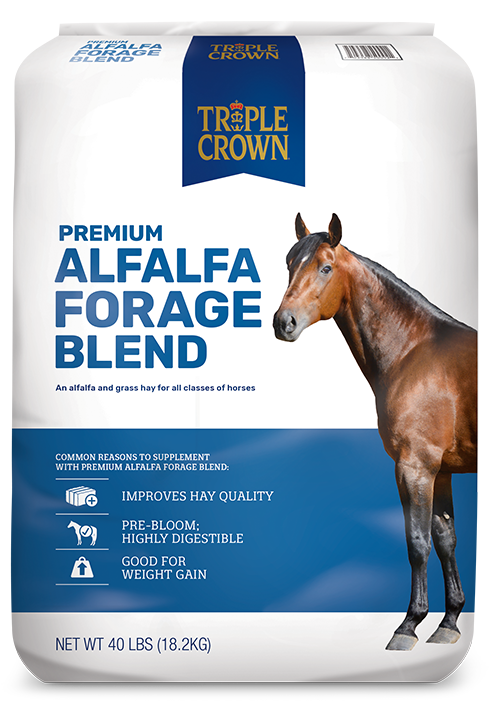
Always inspect feed for mold, dust or spoilage before feeding. Make sure you’re choosing feed from a trusted, quality source – you can learn more about Triple Crown Forage products here.
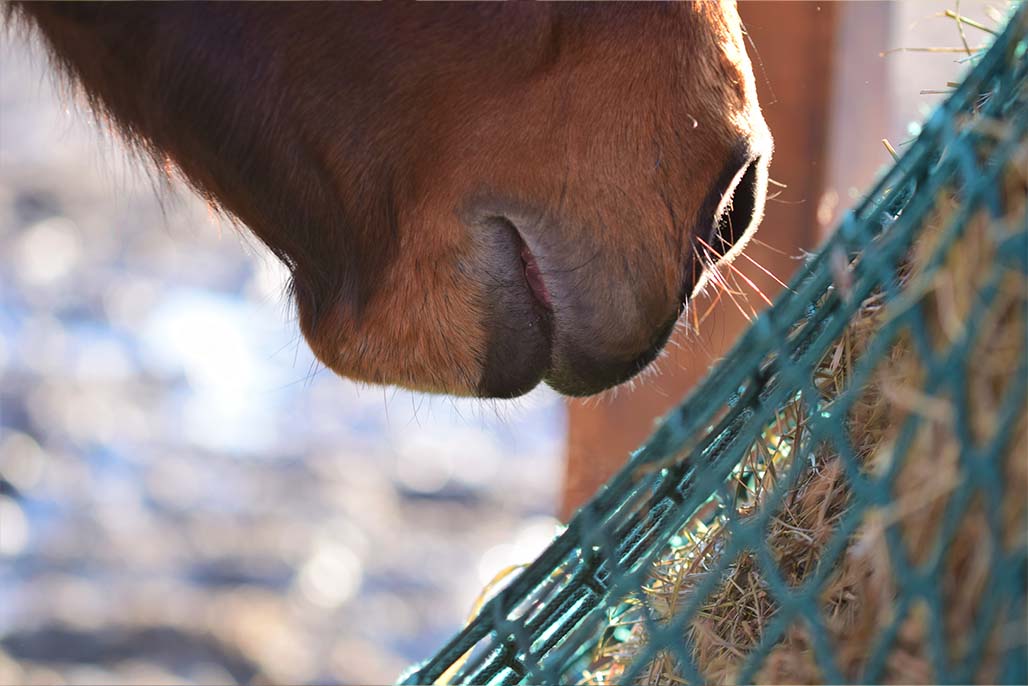
Use slow feeders when appropriate
Slow feeders can help horses eat more naturally and prevent long periods without forage.
Watch overall behavior and manure output
Owners can catch colic early by noticing even subtle changes. Shifts in appetite, manure consistency, or normal behavior can indicate that your horse isn’t feeling well, signaling digestive issues.
Reduce stress
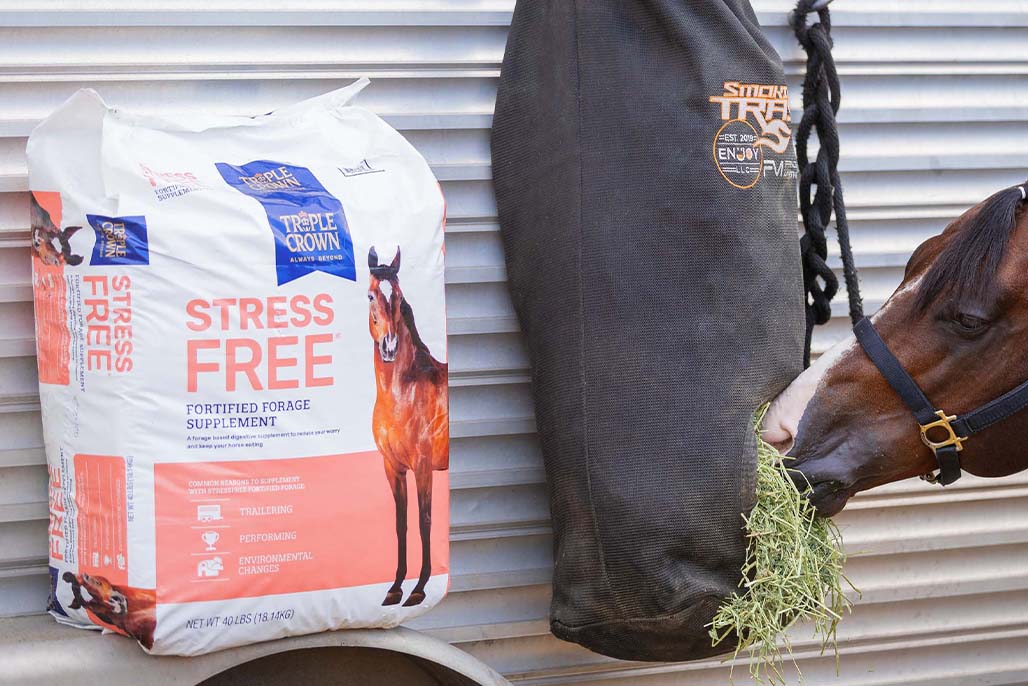
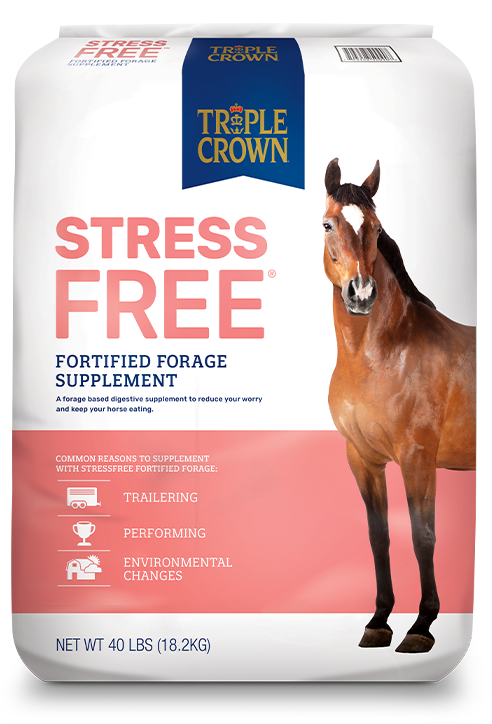
Stress in your horse can affect digestion, so maintaining a routine and a calm environment is important. When you anticipate potential stress for your horse, you can prepare their gut by feeding a product like Stress Free Fortified Forage.
Routine dental care
Don’t skip regular dental exams; it’s important for your horse to properly chew foot feed and avoid impactions.
Keeping colic away
It’s clear that diet plays a critical role in preventing colic in horses. By understanding what causes colic and effective prevention practices, you can ensure your horse’s best digestive health.
Triple Crown experts are here to help with feeding, forage and other questions. For even more information about colic and what you can do to prevent it in your horse, get in touch today.


 Back to All
 Back to All Topics