Published: June 8, 2026
Print as PDF
Encouraging a Horse to Drink Water: Proven Tips to Prevent Dehydration
Water is the quiet cornerstone of your horse’s health. In fact, many veterinarians consider water to be the most important nutrient because it plays a critical role in many bodily functions, including digestion and temperature regulation. When a horse not drinking water becomes a regular occurrence, it’s important to act quickly.
The good news? With the right knowledge and a few practical strategies, you can encourage better hydration and reduce the risk of serious issues, like dehydration and colic. In this article, we’ll show you how to recognize the signs of dehydration quickly and respond confidently.
How much water should a horse drink a day?
On average, adult horses need 5 to 15 gallons of water per day. However, water intake often fluctuates with workload, stress levels and diet. A horse eating primarily hay, for example, will need significantly more water than one grazing on lush pasture. Water needs also change with the temperature, often decreasing in cold weather and increasing in hot weather. That’s why it’s important to monitor water intake daily and learn to recognize the signs of dehydration in horses.
What are the signs of dehydration in horses?
Dehydration symptoms can range from subtle to severe. Mild dehydration might just look like a slightly sluggish horse. Severe dehydration, on the other hand, can escalate quickly. But if you know what to look for, you’ll be able to respond quickly. Signs of dehydration in horses include:
- Lethargy or dullness
- Sunken eyes
- Dry or tacky gums
- Thick saliva
- Reduced urine output or darker urine
- High resting heart rate
Monitor your horse’s hydration with a daily pinch test
The signs of dehydration in horses are not always clear or easy to spot. But you can easily check for it with a pinch test. Gently pinch a small area of skin on the neck or shoulder and release. In a well-hydrated horse, the skin should snap back in place quickly. Anything more than two seconds may indicate dehydration.
What are the risks of dehydration in horses?
Dehydration can have a ripple effect across your horse’s entire body. Here are some of the most common health risks and the warning signs to look for.
-
One of the biggest concerns tied to a horse not drinking water is impaction colic. Without enough water to soften feed, forage can become too dry and compacted, creating a dangerous intestinal blockage. Reduced appetite, pawing, flank watching and rolling are all classic signs of colic.
-
When less fluid is circulating through a horse’s system, the heart has to work harder to get oxygen to their muscles. That’s why reduced stamina, coordination and recovery time are typical signs of dehydration in horses. These changes can easily be mistaken for training issues, but the root cause is often fluid loss or inadequate water intake.
-
A horse not drinking water can’t cool their system as quickly, making them more vulnerable to heat stress or heatstroke, especially during summer months or periods of intense work. Excessive or uneven sweating, rapid breathing, flared nostrils, a rapid heart rate and agitated or “checked out” behavior are early warning signs of overheating.
-
Your horse’s kidneys are like a filtration system, regulating fluid balance, filtering waste and helping maintain electrolyte levels, all of which depend on adequate hydration. When water intake drops, the kidneys shift into conservation mode and start working overtime to retain as much fluid as possible. The warning signs of kidney stress include dark urine, reduced urination, lethargy, poor appetite, mild weight loss and decreased performance.
What should I do if my horse refuses to drink?
Dealing with a horse not drinking water can feel like a standoff you didn’t sign up for. But don’t panic. Instead, start by asking yourself if anything has recently changed (e.g., location, routine, feed or weather). If your horse refuses water for more than a day or shows worsening dehydration symptoms, call your veterinarian as soon as possible and use the following tips to start encouraging your horse to drink more water.
What are the most effective ways to increase water intake in horses?
Awareness and prevention through daily monitoring are your strongest tools. But if you’re dealing with a horse not drinking water on a regular basis, along with veterinary care, these strategies can help you start turning things around.
-
This sounds obvious, but water quality is often overlooked. Horses can be picky about their water. If it smells off or looks questionable, they will likely pass. Be sure to offer fresh water daily (or multiple times a day) and scrub buckets and troughs regularly.
-
Horses typically drink the most water within three hours of eating. Making sure water is available in multiple locations is a simple way to encourage drinking after meals. It’s also important to provide fresh, clean water for horses that are being transported long distances, especially in warm weather. Some horses like drinking out of troughs, while others prefer one bucket over another, so offering water in different containers may also help encourage after-meal hydration.
-
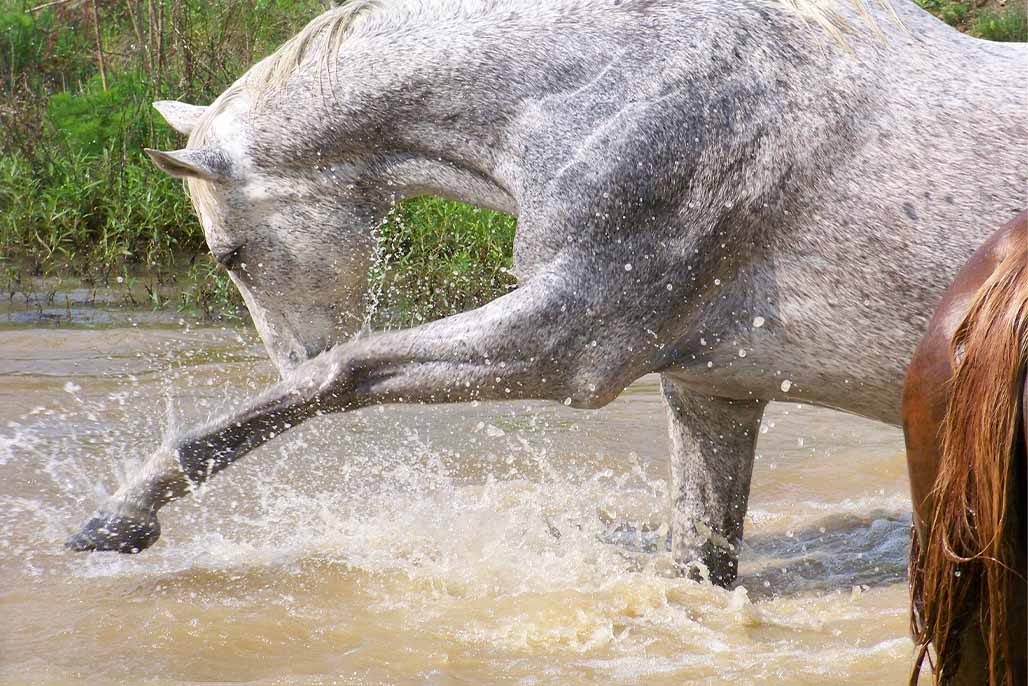
Studies have shown that horses prefer drinking cold water, but they tend to drink less of it. To encourage hydration for a horse not drinking water, keep the temp between 45°F and 65°F. Consider using heated buckets or a stock tank heater during the winter, and providing shaded water sources during the summer.
-
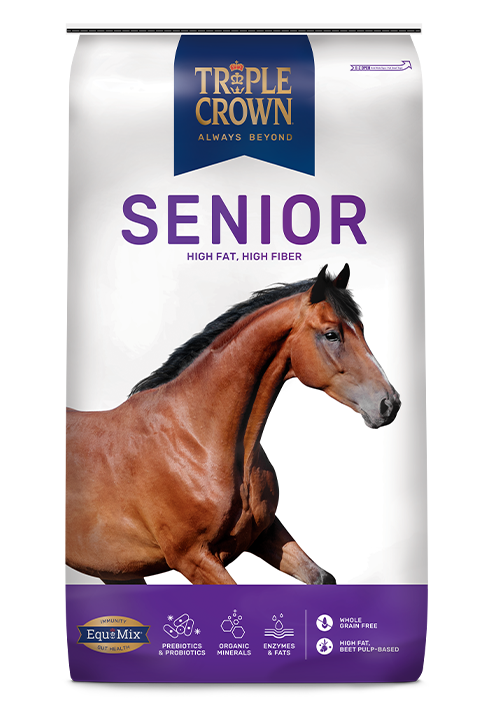
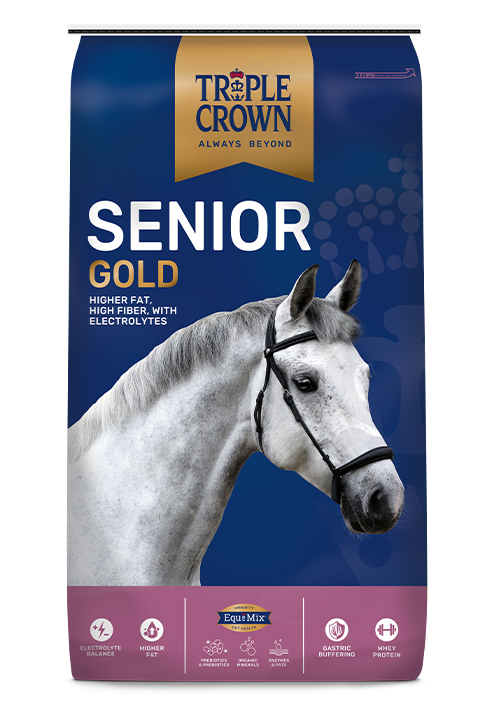
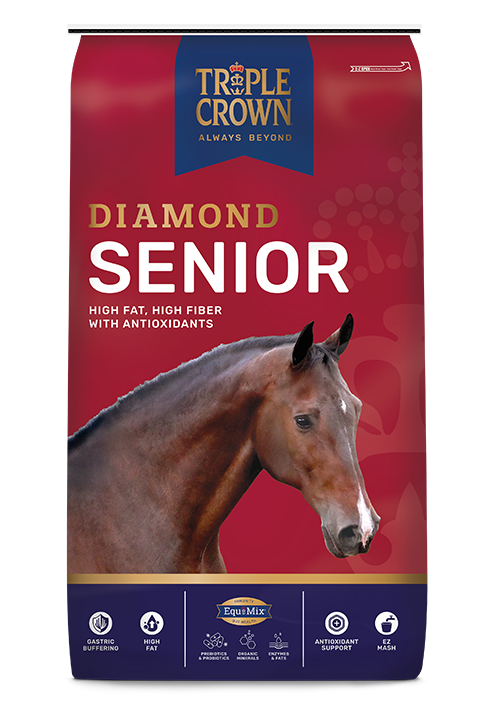
One of the easiest ways to hydrate a horse not drinking water is through their food. Soak a high quality, beet pulp-based feed, such as Triple Crown Senior, Senior Gold or Diamond Senior, in warm water until it resembles thick soup or oatmeal. Your horse will consume extra water as they eat.
-
Horses need approximately one to two ounces of salt per day, which triggers a thirst response. For a horse not drinking water, electrolytes can help stimulate that thirst response, especially after exercise or in hot conditions, but keep in mind that more is not better. Overloading electrolytes can actually discourage drinking. Always provide electrolytes alongside water and follow recommended serving guidelines.
-
Horses thrive on consistency. Sudden changes like travel, new barns or different water sources can lead to reduced drinking and signs of dehydration in horses. If you’re traveling, bring water from home or introduce your horse to new water sources gradually.
-
Avoiding strenuous activity during the hottest times of the day can help horses stay cool and hydrated. Try turning out in shaded areas, in a run-in shed or at night when temps are cooler. Reducing workload during heat waves or humid conditions, skipping unnecessary exercise, and placing fans in open barn windows or doorways are also effective ways to prevent overheating and heatstroke.
Keeping your horse hydrated, healthy and happy with Triple Crown
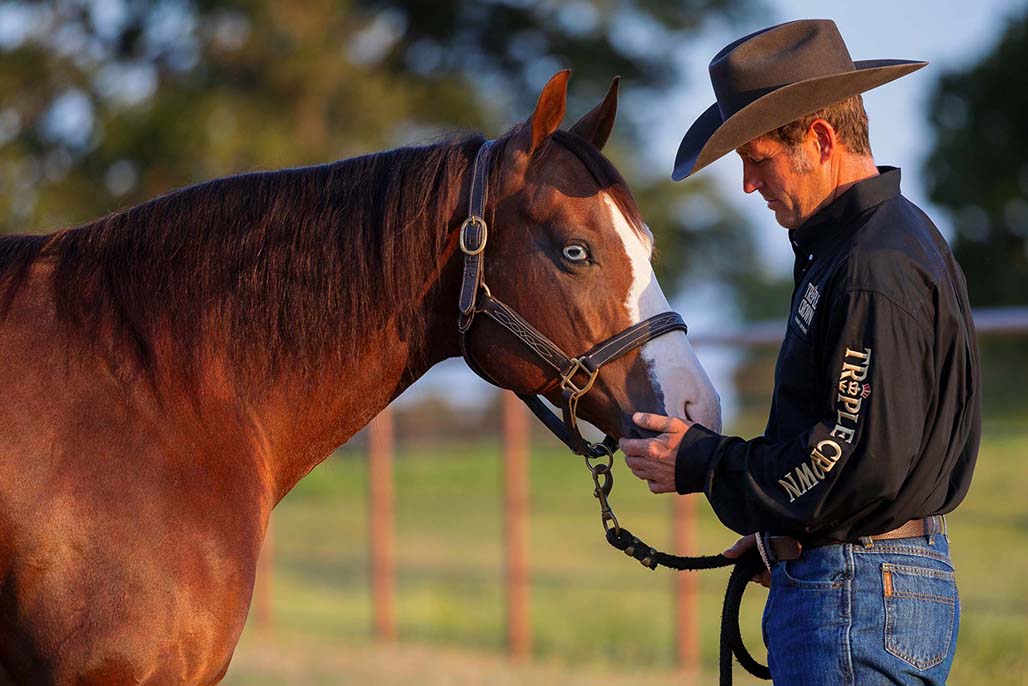
A horse not drinking water is usually an early signal that something is off. The cause could be as simple as a dirty, unappealing water trough, or it could be as serious as colic. As your horse’s owner and primary caretaker, you know what “normal” looks like better than anyone else, and you’re in the perfect position to catch issues early.
By understanding the risks associated with dehydration and applying simple, effective strategies to spot the signs, you can keep your horse healthy, comfortable and performing at their best. And remember, our experts are always here for you. If you have additional questions or want to know more about encouraging hydration, get in touch with us today.


 Back to All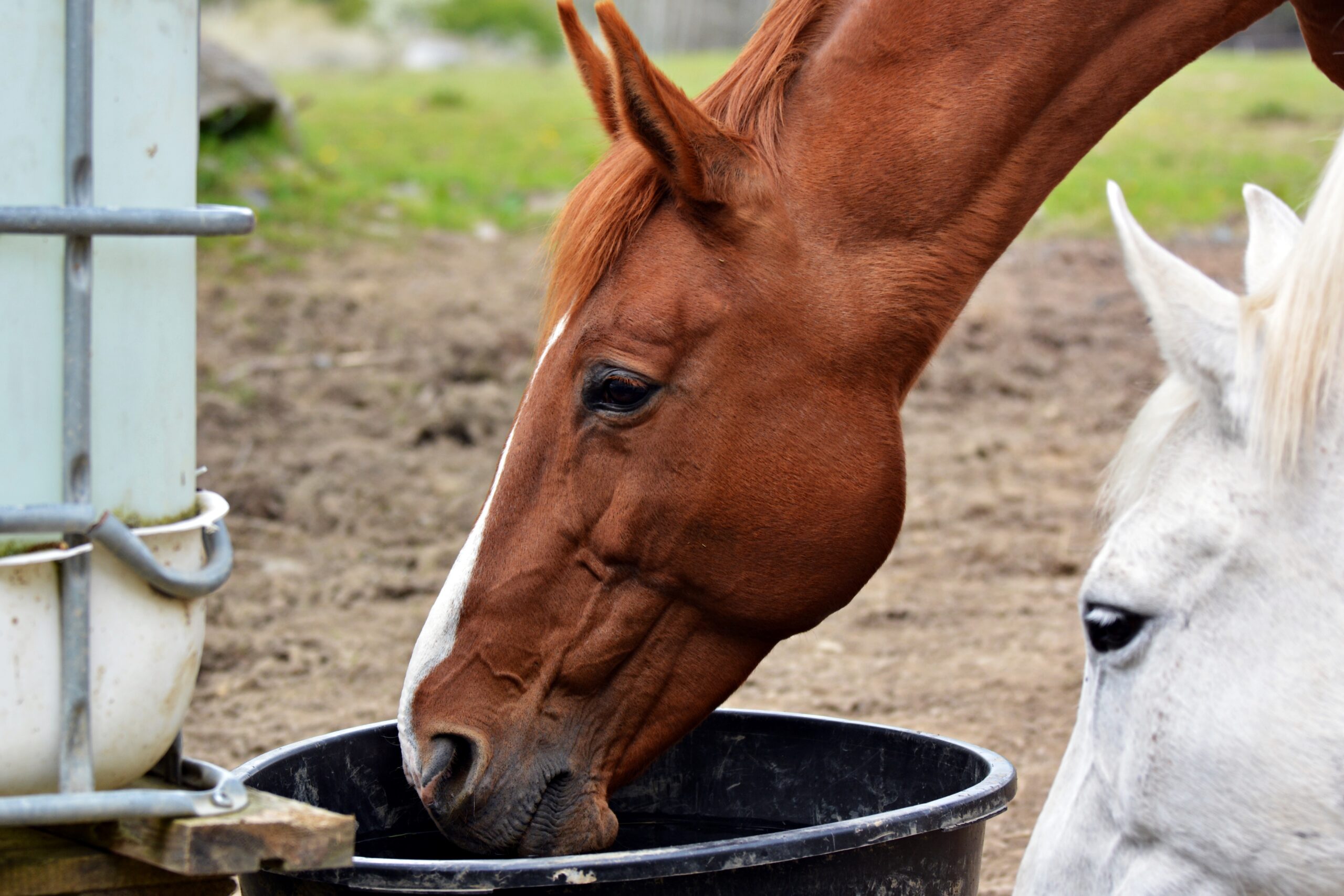



 Back to All Topics