
 Back to All
Horses use their mouths all day — to graze, chew hay, eat feed, carry a bit, and stay in good general condition. When something’s off, it might not be obvious right away. But it could be hurting your horse.
This article explains how to spot common equine dental problems early, understand dental exams, and promote good horse dental care.
Managing Your Horse’s Dental Care: A Guide to Dental Health

Topics:
Why is dental health important for horses?
Your horse’s teeth are built to grind rough forage into small, digestible pieces. If teeth are sharp, uneven, loose or painful, chewing gets harder. That can affect so much – weight, digestion, comfort, behavior and performance. Horse dental health matters for:
• Better digestion: Proper chewing helps break down hay and grain before it reaches the digestive tract.
• Healthy body condition: Horses with sore mouths may eat less, waste feed, or lose weight.
• More comfortable performance: Dental pain can make a horse resist the bit, toss its head, or feel uneven under saddle.
Signs your horse may have a dental problem
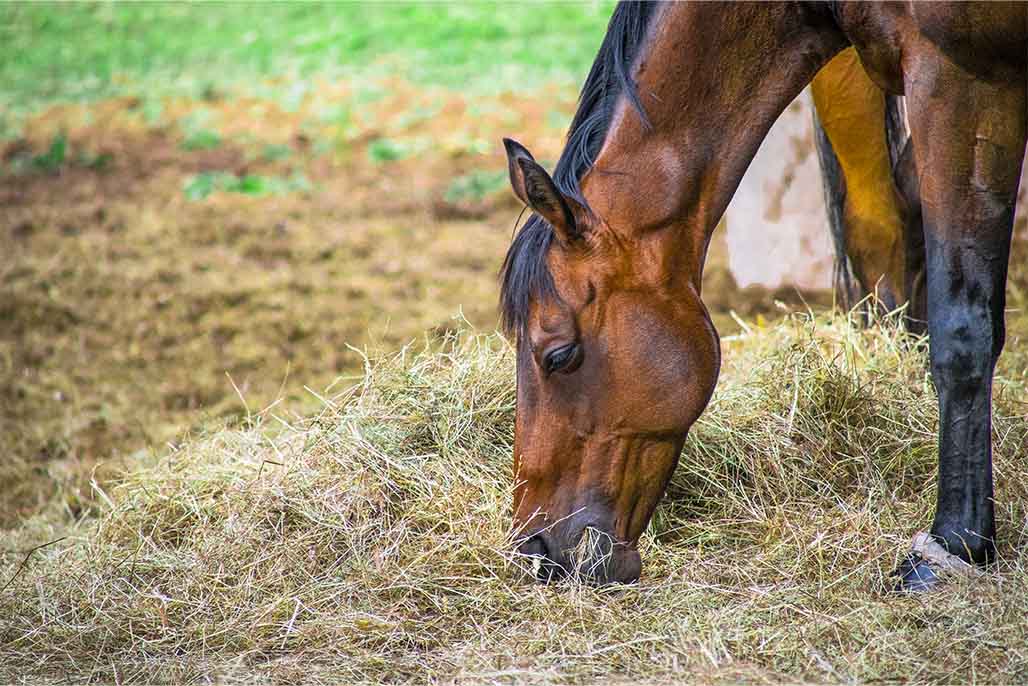
Horse dental problems can be sneaky; some horses keep eating even when their mouths hurt. You know your horse best. Watch for changes in how your horse eats, carries the bit, or holds condition. These are some common signs:
• Dropping hay or grain while eating
• Quidding, or dropping partially chewed balls of hay
• Slow chewing, chewing on one side, or tilting the head while eating
• Excessive drooling or foul odor from the mouth or nostrils
• Undigested grain or long hay stems in manure
• Unexplained weight loss or poor body condition
• Facial swelling, nasal discharge, or blood from the mouth
• Head tossing, bit resistance, difficulty turning, or reluctance to be bridled
How often should my horse have a dental exam?
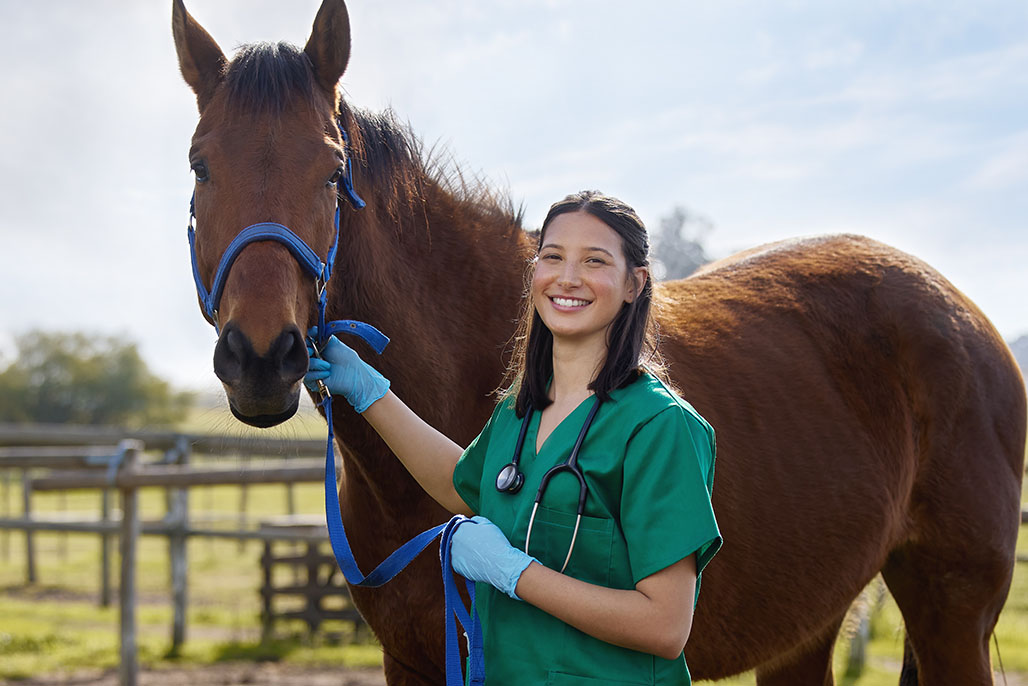
Routine dental care helps catch small issues before they become big horse dental problems. For most adult horses, plan on a dental exam at least once a year. Some horses need more frequent checks, especially young horses, seniors, and horses with known concerns.
1. Foals and young horses: Your vet may recommend early checks to look for developmental concerns, then more frequent exams as baby teeth are replaced by permanent teeth.
2. Horses ages 2 to 5: These horses often benefit from exams every six months because this is a major period of tooth eruption and change.
3. Mature horses: Annual dental exams are a good baseline for most healthy adult horses.
4. Senior horses or horses with dental issues: More frequent exams may be needed if teeth are missing, loose, excessively worn, or making chewing difficult.
What happens during an equine dental exam?
A good exam looks beyond the front teeth to address equine dental problems. Your veterinarian may use sedation, a speculum, lighting, and dental tools to safely check the back of the mouth, gums, tongue, and other soft tissues.
They may look for sharp points, hooks, loose teeth, fractured teeth, gum disease, oral ulcers, or packed feed. If needed, floating can smooth sharp areas and help rebalance the chewing surface for your horse. Horse teeth care isn’t always simple, but it’s vital to overall health.
How does nutrition impact equine dental health?
Nutrition and dental health go hand in hand. A horse with a healthy mouth can chew hay well, produce saliva, and use nutrients more efficiently. A horse with sore or worn teeth will likely struggle, even with good feed.
Forage supports natural chewing; adequate roughage encourages the grinding motion horses are built for. And chewing affects digestion. Poorly chewed feed can reduce
nutrient use and contribute to digestive upset.
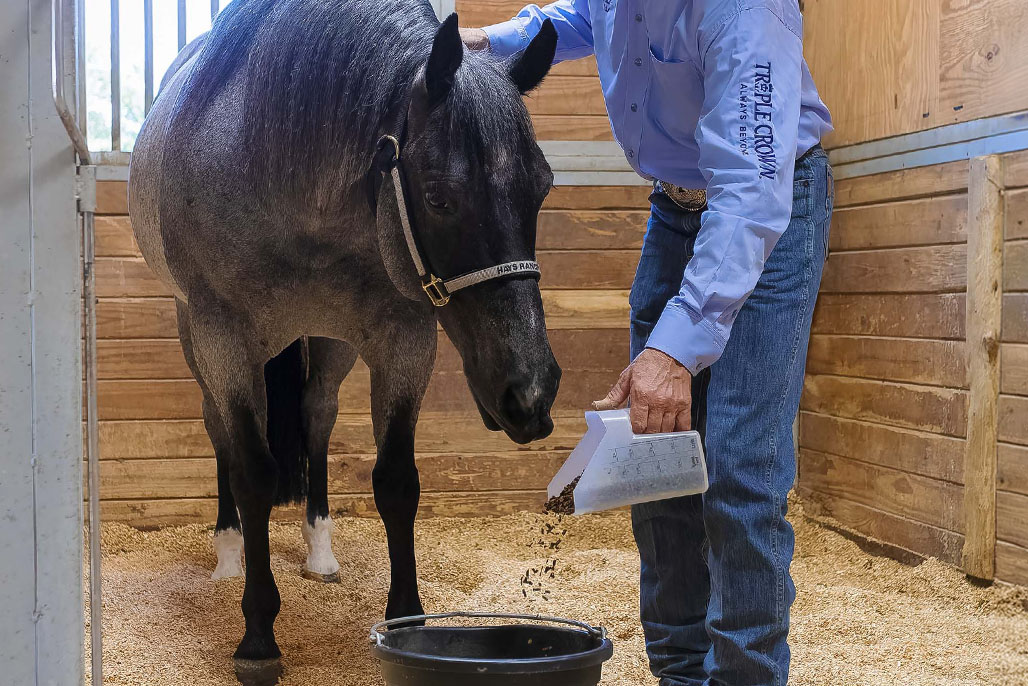
It’s important to know, horse dental care might call for diet changes. Horses with missing, loose, or worn teeth may do better with soaked hay cubes, chopped forage, complete feeds, or senior feeds. Triple Crown makes several formulas ideal for horses with chewing issues, including:
• Triple Crown Diamond Chopped Forage
• Triple Crown Diamond Senior
• Triple Crown Senior Gold
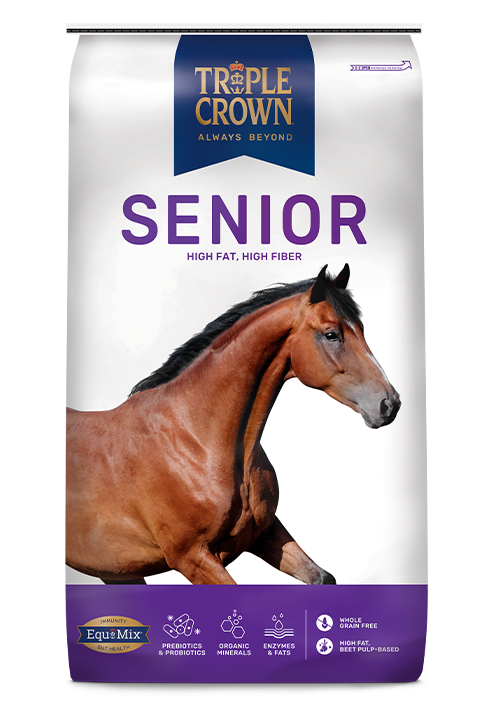
• Triple Crown Senior
What can I do to improve/maintain my horse’s dental health?
Don’t worry, you don’t have to diagnose equine dental problems yourself. But you can notice changes early. Make horse dental care part of your regular routine, just like hoof care, vaccines, and parasite control.
1. Schedule routine dental exams. Work with your veterinarian to set the right exam schedule for your horse’s age and needs.
2. Watch your horse eat. Notice dropped feed, slow chewing, quidding, or changes in appetite.
3. Track weight and body condition. Unexpected weight loss can be an early sign that chewing isn’t efficient.
4. Pay attention to how your horse responds to the bit. New bit resistance, head tossing, or uneven contact could signal mouth discomfort.
5. Keep dental records. Record exam dates, floating, extractions, diet changes, and any other concerns that might be related to dental health.
6. Adjust feed when needed. If your horse has dental limitations, explore safer, easier-to-chew options.

Your horse’s mouth has a big job, so keeping it healthy should be a priority. Regular exams, smart feeding, and a watchful eye can help ensure your horse is chewing well and getting the most from every meal. If something seems off, call your veterinarian. And talk with Triple Crown experts to make sure your horse has the right type of nutrition to support their
best dental health.
Questions about your horse’s feeding program? See how we can help. Talk to a Triple Crown Feed Expert today.
Products mentioned in this article
Senior
Textured — for mature horses, hard keepers and older horses with teeth issues
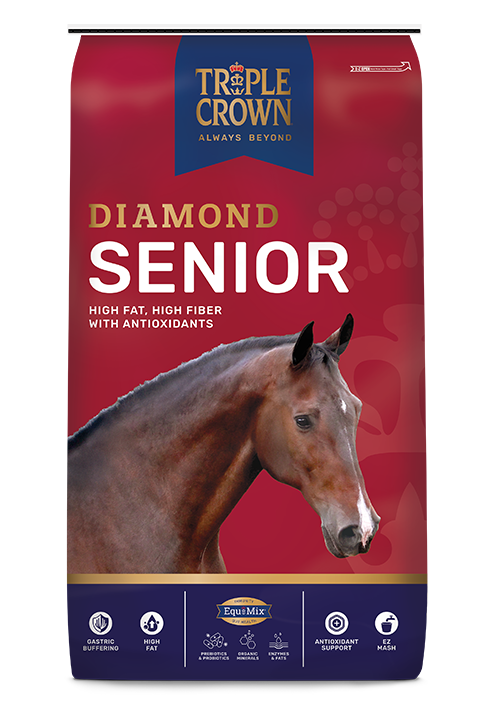
Diamond Senior
Textured — for active, older horses, hard keepers and those prone to gastric ulcers

Diamond Smart Chopped Forage
Diamond Smart Chopped Forage is a fortified blend of orchard and alfalfa hay that provides a complete diet for mature and performance horses.
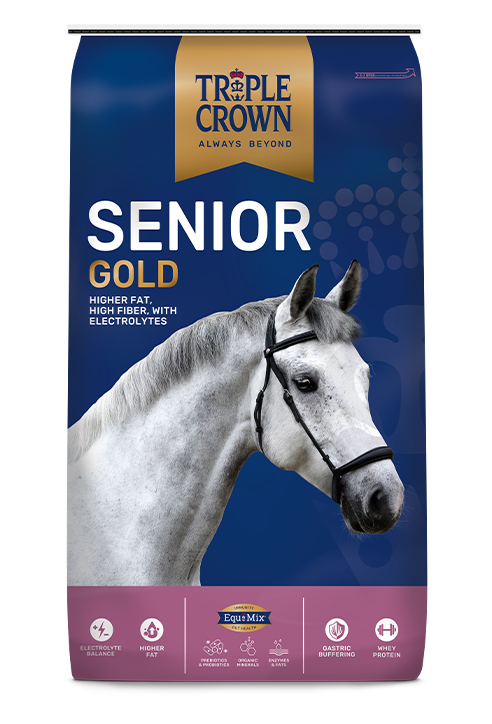
Senior Gold
Textured — for active, older horses, hard keepers and those prone to gastric ulcers



 Back to All Topics