
 Back to All
A beautiful coat isn’t just about how your horse looks — it can reflect how they feel. That matters whether they’re in the pasture or the show ring. Good horse coat care combines gentle grooming, attention to the skin underneath, and balanced nutrition. This article outlines how to groom a horse and provide the right nutrients to ensure a shiny, healthy coat and a happy horse.
Your Horse’s Coat Health: A Guide to Grooming and Care

What makes a horse’s coat healthy?
A healthy coat starts with healthy skin. Natural skin oils help condition the hair, while grooming removes debris and spreads those oils. Keep in mind, shine varies with season, coat color and individual characteristics, so a thick winter coat doesn’t need to look like a polished summer coat to be healthy.
• Look for: even coverage, hair that isn’t unusually brittle, and skin without persistent irritation.
• Watch for changes: excessive rubbing, bald patches, crusts or an unusually long coat that fails to shed normally.
• Think beyond appearance: coat changes alongside weight loss or reduced appetite are cause for concern.
You know your horse’s everyday appearance, so pay attention to any changes. A coat alone can’t diagnose a nutrient deficiency, and it’s not wise to guess which supplement you might add — persistent skin changes or abnormal shedding definitely warrant veterinary assessment.
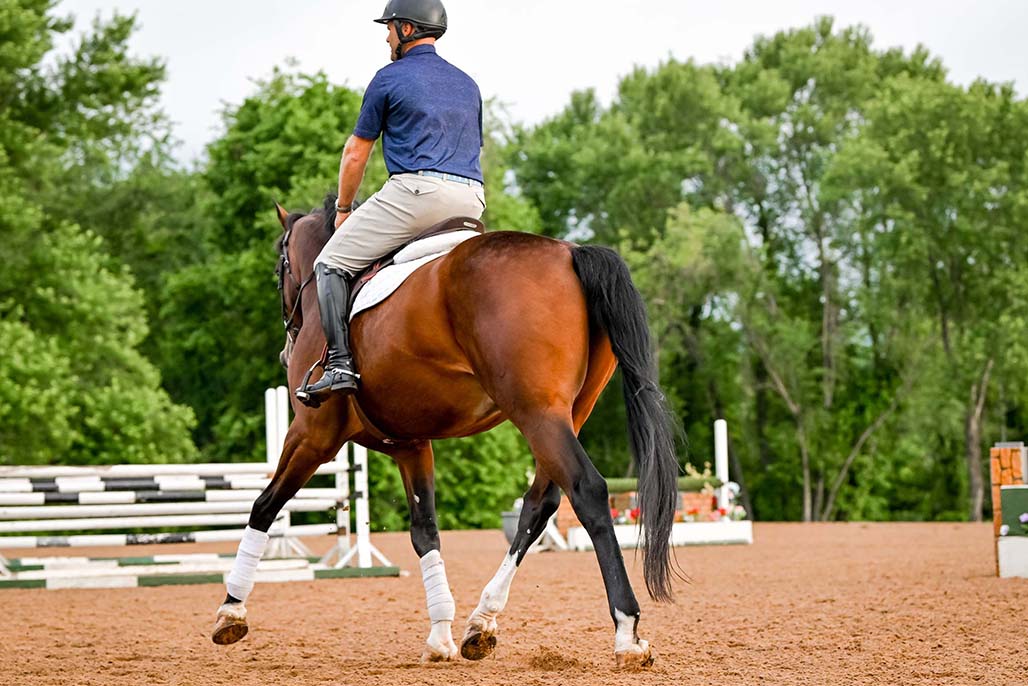
Grooming and care essential for a healthy coat
Equine grooming is a big part of maintaining a healthy coat, and knowing how to groom a horse matters. Make a daily skin check part of horse coat care, and always groom before riding to remove grit beneath the saddle and girth. Here’s a simple sequence to follow:
1. Inspect first. Look and feel for rubs, swelling, cuts or tender areas. Avoid scrubbing irritated skin.
2. Curry gently. Use a flexible rubber curry on fleshy areas to loosen dirt and shedding hair. Avoid the face and bony lower legs.
3. Brush away debris. Follow with a dandy brush where comfortable, then a soft brush, working with the hair’s direction.
4. Care for mane and tail. Remove debris by hand and detangle small sections from the ends upward to limit breakage.
5. Finish after exercise. Remove sweat and dirt, then check areas where tack contacted the skin.
It’s best to bathe your horse when needed, rather than shampooing every day. In cold weather, spot-clean instead of leaving your horse wet and chilled. Always keep bedding and blankets clean, check blanket fit, and inspect daily for rubs. And make sure to use separate grooming tools for each horse, especially when skin infection is suspected.
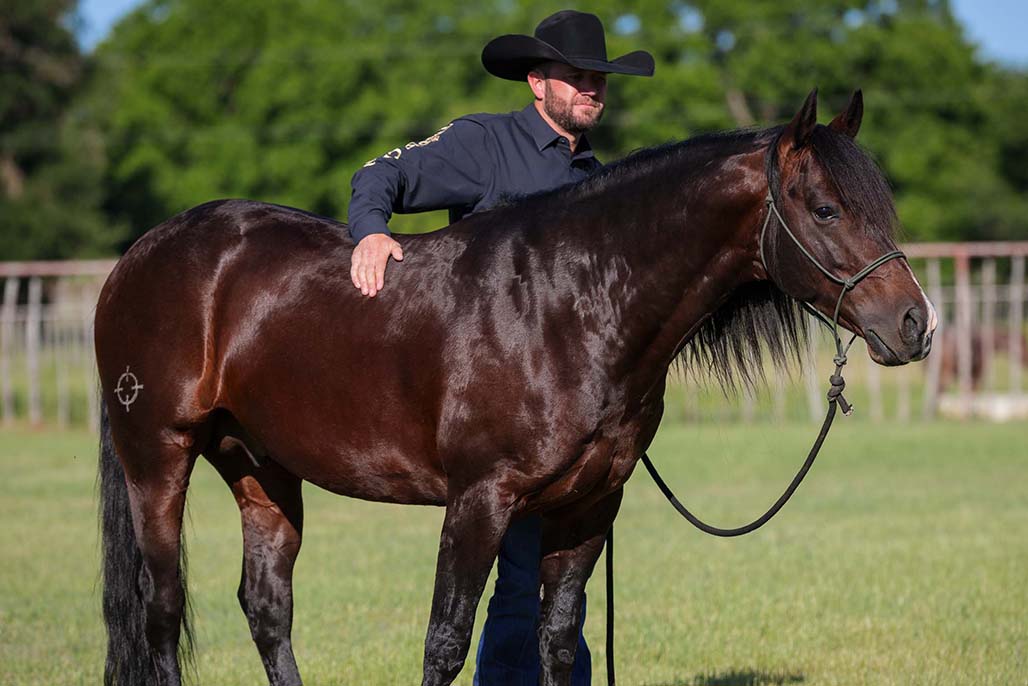
What horse grooming tools do I need?
You don’t need a tack-room full of gadgets for proper equine grooming. A few well-chosen tools are a great starting point:
• Flexible rubber curry or horse grooming mitt: loosens hair and dirt.
• Dandy brush: flicks away heavier debris from suitable body areas.
• Soft body and face brushes: remove fine dust gently.
• Mane-and-tail brush or wide-tooth comb: helps work through tangles without yanking.
• Clean cloths and separate sponges: allow targeted cleaning without transferring grime between areas.
• Equine shampoo, bucket and sweat scraper: cover occasional bathing needs.
Remember to remove trapped hair and dirt from brushes regularly, and clean and dry them according to their manufacturers’ instructions.
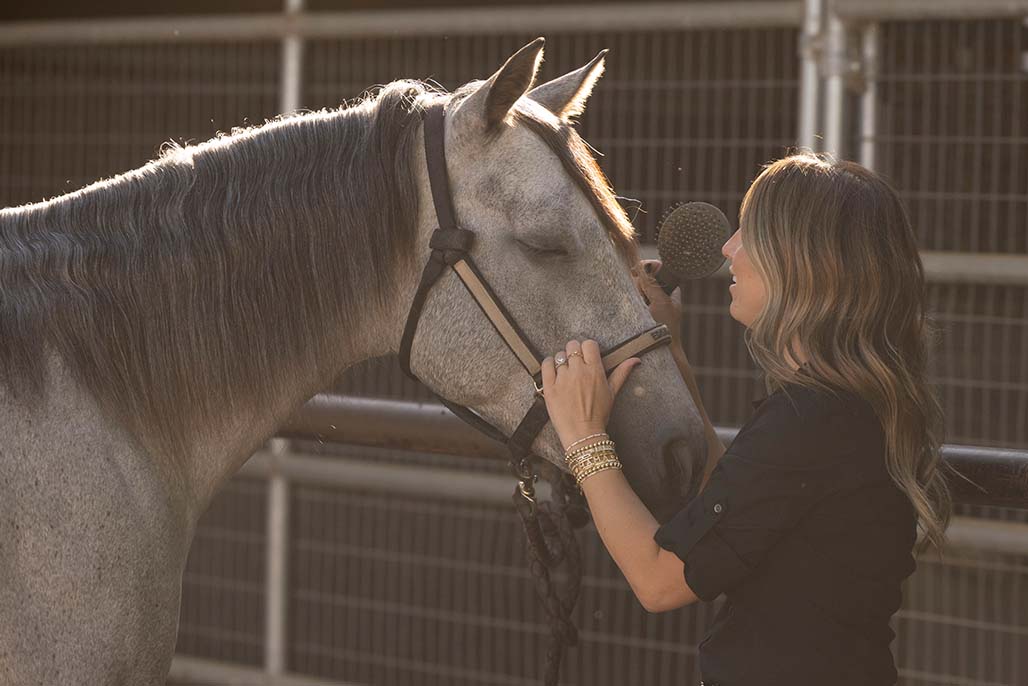
Nutrients that support a healthy coat
Hair is largely keratin, a structural protein. Building healthy hair requires adequate energy and balanced nutrition — not simply more of one ingredient. Horse coat nutrition includes:
• Protein and amino acids: provide building blocks for hair. Protein quality matters as well as total intake.
• Zinc: supports skin maintenance and normal keratin formation.
• Copper: contributes to connective tissue and pigment-related enzyme activity.
• Fats and essential fatty acids: support cell membranes and the skin barrier. Appropriate dietary fat may also enhance coat sheen.
• Vitamins: vitamin A supports epithelial tissues; vitamin E contributes antioxidant protection. Biotin supports metabolic processes, but evidence for supplementation is stronger for hoof improvement than guaranteed coat changes.
• Other minerals: balanced mineral intake supports overall health. Mineral interactions matter, and excess supplementation can be harmful.
Horse coat nutrition begins with suitable forage, fresh water and a feeding program matched to age, workload and body condition. Keep in mind, a forage analysis helps identify gaps more reliably than judging coat color. If your horse’s hay and pasture aren’t the best quality, consider a product such as Triple Crown Premium Grass Forage, or Triple Crown Safe Starch Forage to meet their needs.
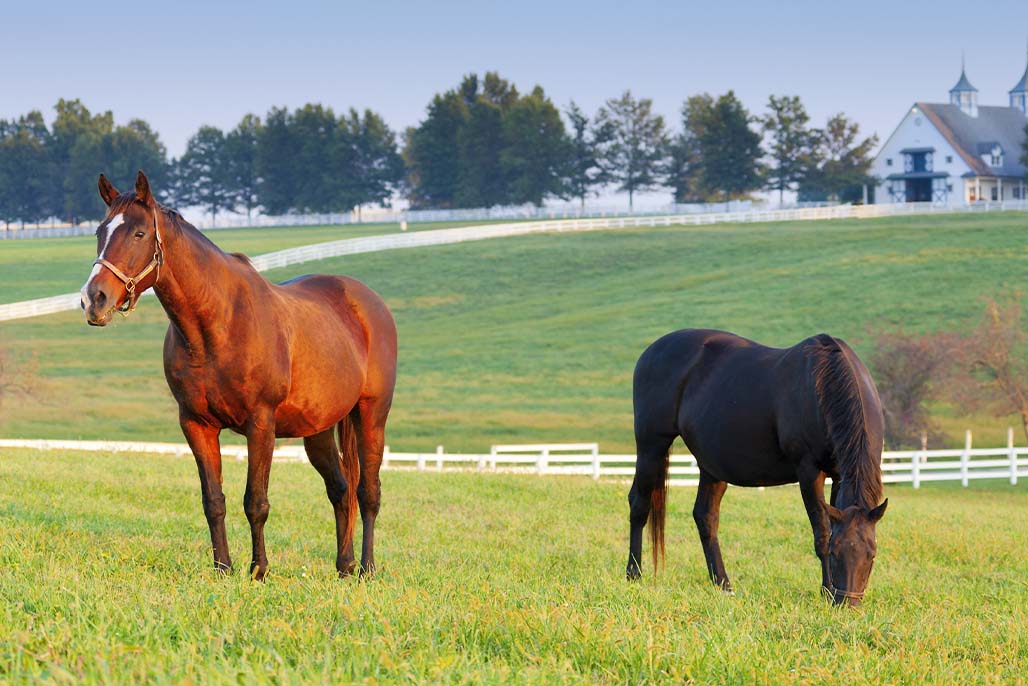
Can diet improve a dull coat?
Correcting inadequate energy, protein or mineral intake can support healthier new hair, but extra feed won’t fix every dull coat. Review your horse’s whole ration with your veterinarian or an equine nutritionist before making any changes.
1. Check the foundation: assess forage quality, body condition and actual feed amounts.
2. Check the label: feeding less than recommended may leave gaps in vitamin and mineral intake.
3. Allow time: introduce dietary changes gradually, typically over 10–14 days, and judge progress as new hair grows rather than expecting overnight shine.
Do horse coat supplements help?
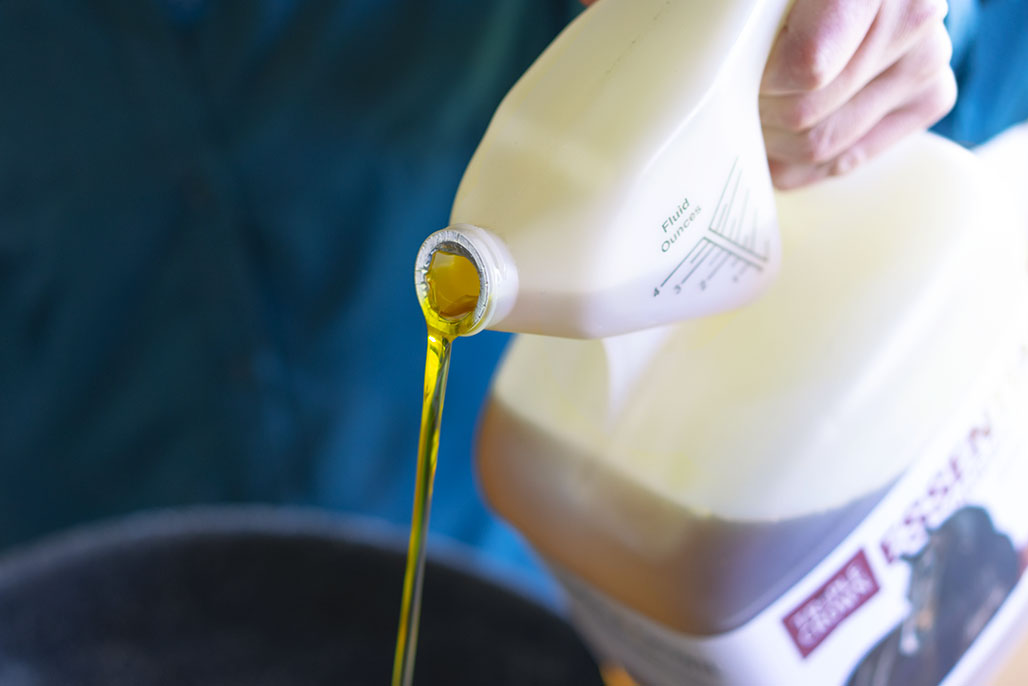
Equine coat health can benefit from supplements. They can help fill identified nutritional gaps, but they aren’t a substitute for balanced feeding or veterinary care. A ration balancer may supply protein, vitamins and minerals without many extra calories; a vitamin-andmineral supplement may suit horses whose forage already provides enough protein.
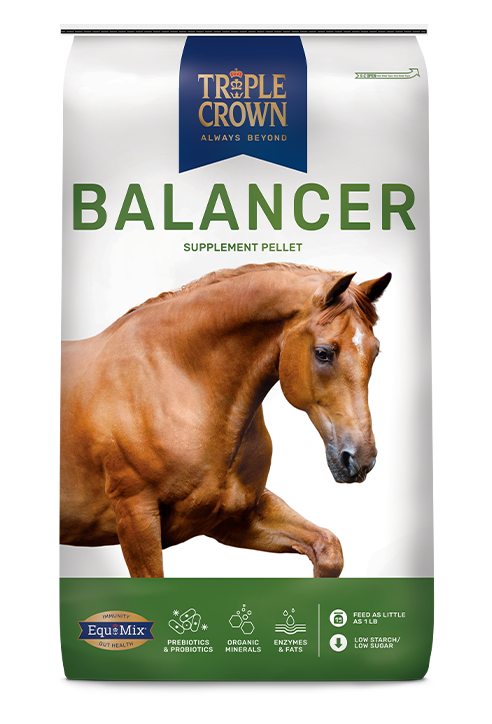
Triple Crown Balancer is a great balancer for the whole barn. There are also supplements such as Triple Crown Essential Omega Blend, Triple Crown Naturals Rice Bran, and Triple Crown Naturals Golden Ground Flax that offer healthy skin and coat support.
You’ll want to compare ingredients across all feeds and supplements before adding any product for coat health. More isn’t better: excessive selenium, copper or vitamin A can actually cause problems. Instead, choose products for a demonstrated need — not a promise of instant gloss — and ask a professional to review the total ration for your horse.
Looking good, feeling good
Coat care isn’t about a flawless appearance — it’s about helping the horse you love stay comfortable and healthy. Consistently practicing good nutrition and grooming care will help your horse shine, inside and out. Let us know if you’d like more information on equine coat health, or any other ways to help your horse look and feel their best.
Products mentioned in this article

Safe Starch® Fortified Forage
Chopped fortified timothy and orchard hay- Ideal for horses with poor teeth or needing a low starch and sugar diet
Balancer
Pelleted — for horses of any age, easy keepers and those with metabolic disease

Rice Bran — Naturals
Extruded pellet- is a GMO-free, high-fat supplement, ideal for underweight and performance horses, promoting healthy skin and a shiny coat

Essential Omega Blend
Oil blend- provides additional calories for weight gain and performance
 Back to All Topics