Published: June 8, 2026
Print as PDF
If you’ve ever found yourself standing in the horse feed aisle doing mental math, you’re not alone. The cost to feed a horse can feel like a moving target, shifting with the seasons and your horse’s needs.
But here’s the good news: when it comes to budgeting horse ownership, you don’t need to guess. With a little clarity and a solid plan, you can make smart, informed choices to confidently manage your horse’s nutrition and your budget. In this article, we break down the three key factors that impact your horse feed cost per month and offer helpful budgeting tips so you can spend smarter.
How much does it cost to feed a horse monthly?
On average, the horse feed cost per month ranges from $150 to $400 per horse. Some horses cost less to feed, while performance horses or those with special dietary needs can push well beyond the average. In order to get a comprehensive picture of your true monthly costs, let’s take a look at the three key components of a typical horse feeding program: hay, feed and supplements.
Cost #1: Hay
Average monthly spend: $100–$300+ per horse
Hay is usually the single largest expense in your feeding budget. The amount of money you’ll spend generally comes down to two things: your horse’s needs and your location.
1. The amount of hay your horse needs depends on their size, age and specific feeding program. A typical 1,000-pound horse eats about 1.5 – 2.5% of their body weight in forage daily, which equals about 450–750 pounds per month.
2. The fluctuating price of hay depends on geography, seasonality, quality and availability. For example, prices can range between $5 and $10 per bale in lower-cost regions, and between $15 and $30 in high-demand or drought areas.
No matter what kind of horse you have or where your farm is located, the most important thing to remember about hay costs for horses is that cheaper isn’t better. Poor-quality forage can lead to wasted feed, nutritional gaps or even health issues, none of which are budget-friendly.
Cost #2: Feed
Average monthly spend: $30–$150+ per horse
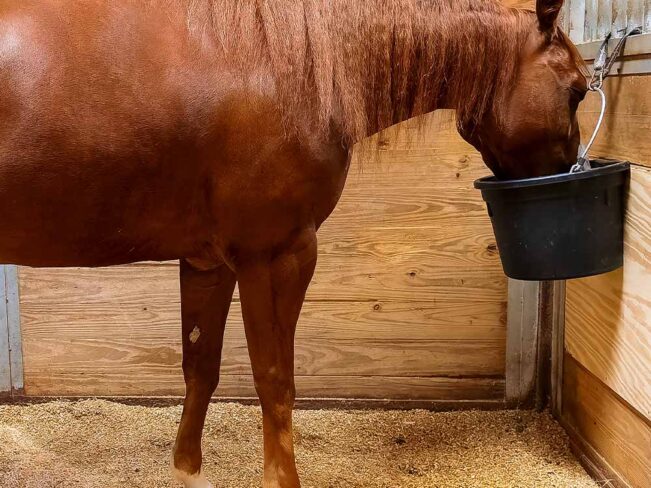
When you’re selecting a feed, the goal, of course, is to keep your horse healthy without going totally over budget. But remember, not all feeds are created equal. Your feed spend largely depends on your horse’s specific needs and circumstances. To that end, here are the key things to consider when evaluating your horse feed cost per month.
-
Larger and hard keepers tend to need more feed and calories while easy keepers require a lower food intake and fewer calories.
-
A trail horse ridden occasionally has very different needs than a performance horse in full training. More work generally equals more calories, which nets a higher feed cost per month.
-
Access to pasture can significantly reduce hay costs, especially during grazing season. But keep in mind, pasture isn’t exactly “free” when you factor in land management, fencing and maintenance. So you may want to consider working these costs into your budget as well.)
-
The minimum amount of feed needed to provide the required daily vitamins and minerals varies considerably from horse to horse—and feed to feed. Even if one type of feed has a lower per pound price, the daily required feeding rates may be higher, which affects your monthly costs.
-
Special diets for horses that are older or have special conditions, like ulcers or metabolic issues, can all increase your horse feed cost per month.
Cost #3: Supplements
Average monthly spend: $20–$100+ per horse
From joint powders to digestive aids, supplements are highly individualized to your horse. And while they can be incredibly helpful for supporting health and performance, supplements can add up quickly when you’re budgeting for horse ownership. Here are a few key things you should keep in mind when factoring supplements into your monthly plan.
-
The more targeted or specialized the supplement, the more research, active ingredients and concentration levels it typically requires, all of which affect the price. Basic vitamin and mineral balances tend to be low cost, while joint support formulas, specialty gut and metabolic supplements usually fall within the moderate to high price range.
-
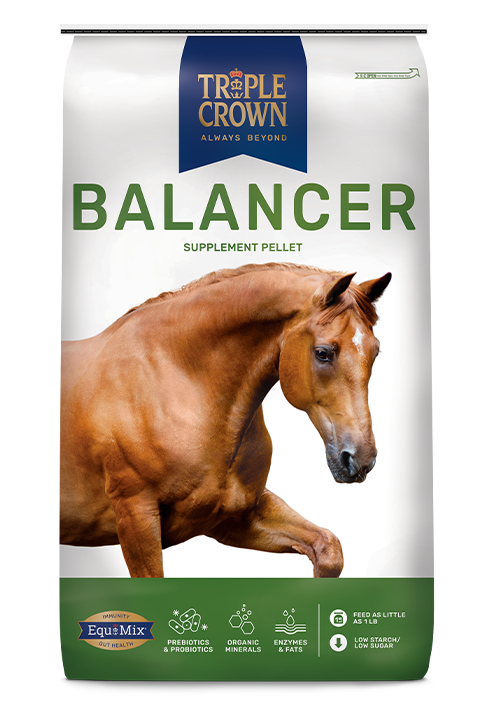
Performance horses often need more targeted support, senior horses may require joint, digestive, or weight support and easy keepers may only need a ration balancer or salt. Some horses need none at all, especially if you’re using a well-formulated feed.
-
Are you giving your horse supplements year-round or seasonally? That timing can significantly impact your budgeting and how you plan your overall feed cost per month.
Remember, supplements are designed to fill gaps, not replace a solid forage-based diet. If your hay or feed isn’t well-balanced, your supplement costs can add up. In many cases a well-formulated feed, from a premium brand, can reduce or eliminate the need for multiple supplements.
How do I reduce my horse’s feeding expenses (without cutting corners)?
It’s easy to get pulled into trends or “miracle” feeds that promise a lot of benefits. But your horse doesn’t need trendy, they just need the right nutrition for their body. Follow these tips to reduce your horse’s feed cost per month while keeping your horse’s performance, longevity and partnership in mind.
-
Calculate the cost per pound—the price of a bag of feed divided by the number of pounds included—and compare. For a more complete picture, be sure to look at the daily feeding rate as well as the complete nutritional profile of each feed.
-
Even a small reduction in waste can noticeably lower your horse feed cost per month. Try using slow feeders or hay nets, feed in areas that reduce trampling and store hay properly to prevent spoilage.
-
A hay analysis might cost a little upfront, but it tells you exactly what nutrients you’re working with, which can help you avoid over-supplementing and provide a more targeted (and cost-effective) diet.
-
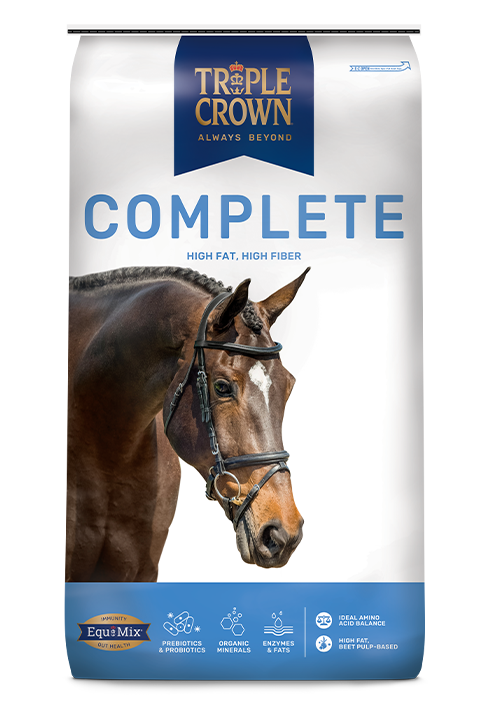
Providing one high-quality, well-fortified feed can often eliminate the need for costly add-ons and reduce your overall cost to feed your horse. Look for feeds that are nutritionally balanced, research-backed and designed for your horse’s specific breed and needs.
-
Keep an eye out for seasonal feed promotions and try to purchase hay in bulk when prices are lower. Also, consider partnering with barn mates for bulk discounts.
-
Reassess your supplement supply every season to address your horse’s changing needs. Try to avoid duplicate ingredients across multiple supplements and talk to your vet or nutrition advisor before stacking products.
-
Grain, or concentrated feeds, add calories, protein and nutrients that hay alone may not provide. However, not all horses need it. If your horse is struggling to gain weight, consistently performs moderate to heavy work or is lacking in quality forage, grain may be helpful. Otherwise, it can inflate your horse feed cost per month without delivering lasting benefits.
Staying in budget and meeting your horse’s nutritional needs with Triple Crown
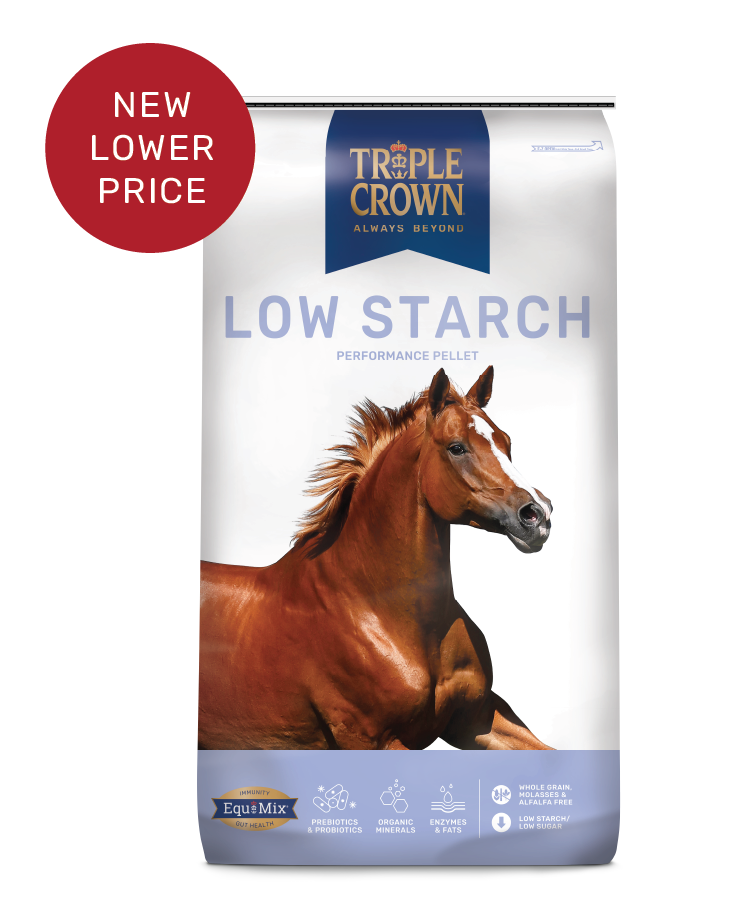
We know that feeding your horse is a daily act of care, a way to support a relationship that is very important to you. With the right approach and a little help from Triple Crown, you can feed and nurture your horse in a way that’s both financially sustainable and nutritionally sound. Triple Crown’s super premium feeds help you take control of your horse’s nutrition while staying on budget.
If you’d like to take a more granular look at the cost to feed your horse, check out our daily cost comparisons chart in this article: What’s the Real Cost of Your Feeding Program? We based this chart on real feeding programs and costs to help you make informed choices for your horse and your budget. And if you have additional questions about feeding your horse, our experts are always here for you.


 Back to All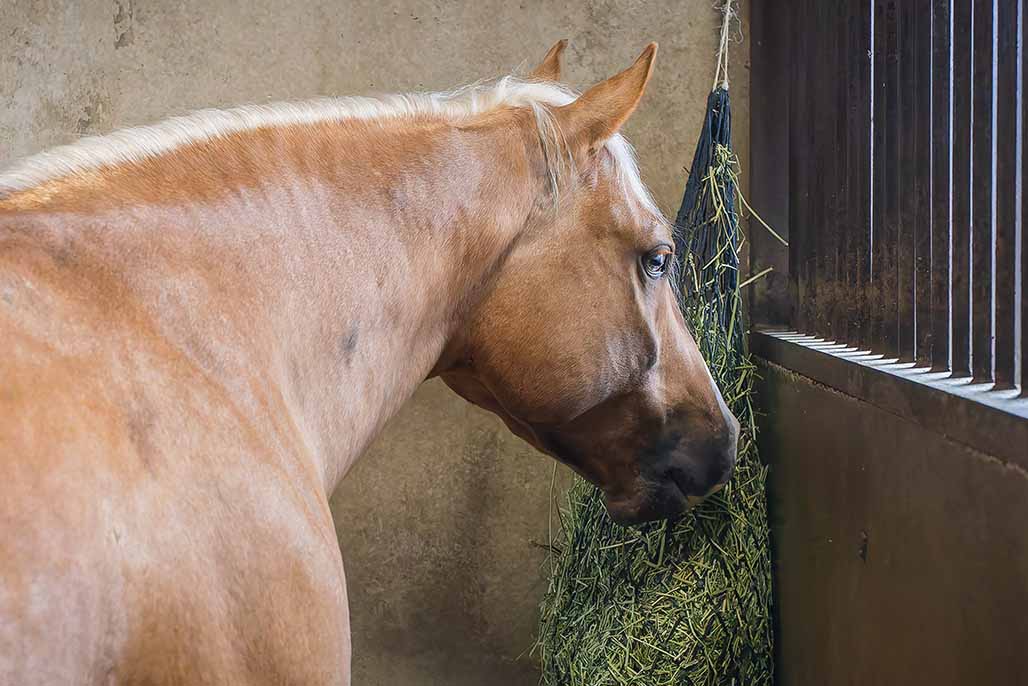


 Back to All Topics